Sofa vs. Loveseat: Exploring Pros, Cons, and Which Is Better
If you’ve ever measured your living room three times and still felt unsure, you’re not alone. “Sofa” and “loveseat” sound straightforward, but the choice affects everything from how people move through the room to how comfortable movie night feels. The good news: most of the decision comes down to proportions, how you actually entertain, and what you want the room to do on an average Tuesday, not just when company comes.
The Real Difference: Scale and Seating Comfort
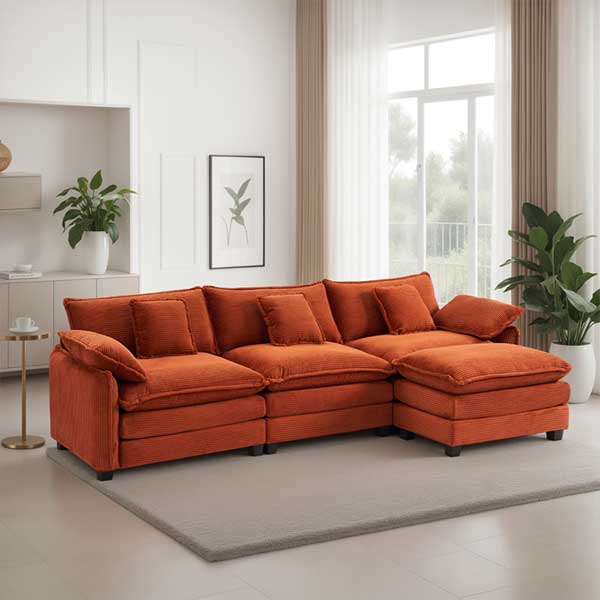
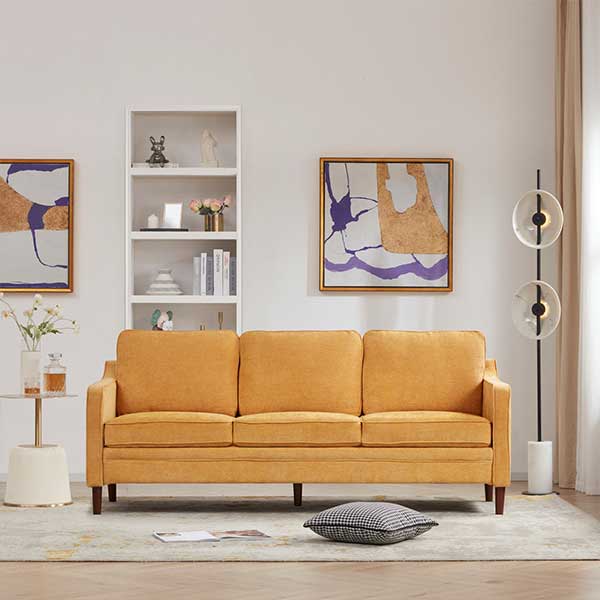
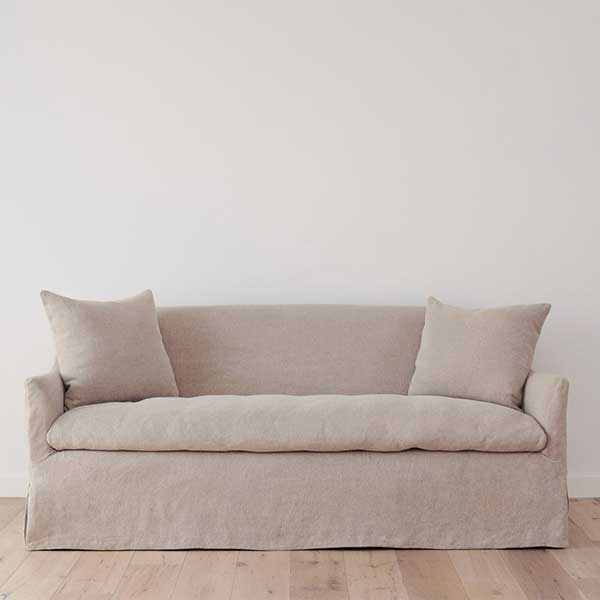
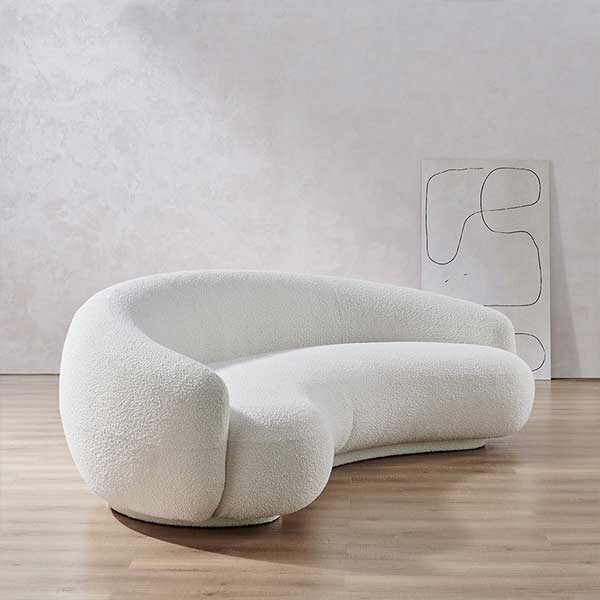
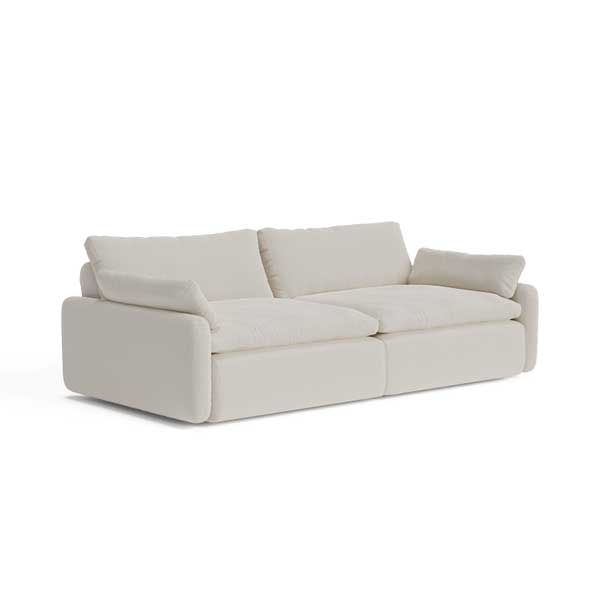
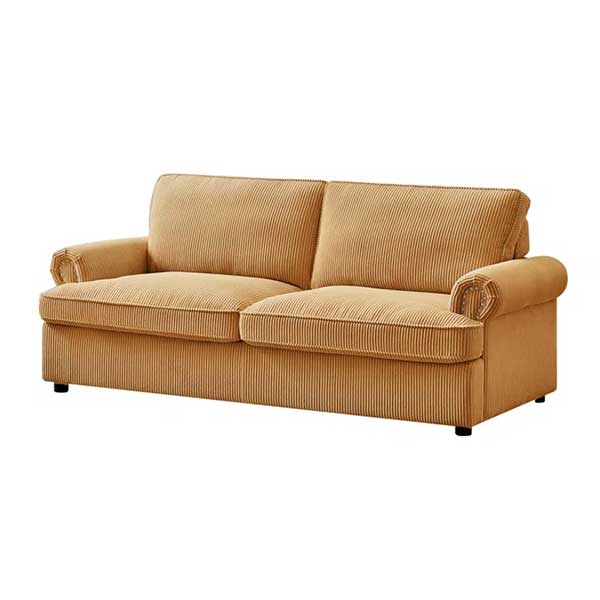
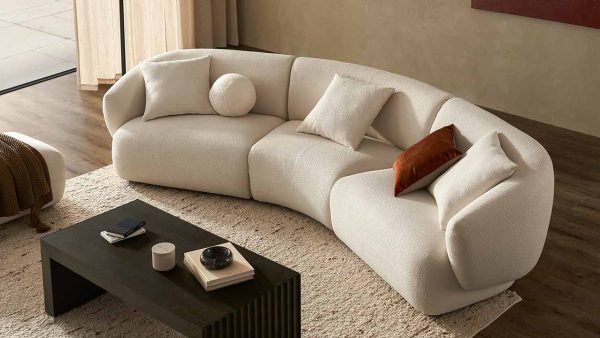
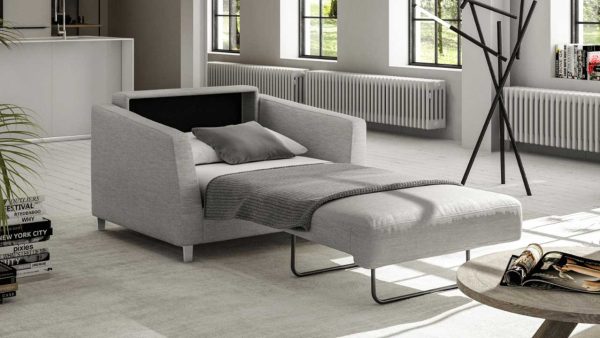
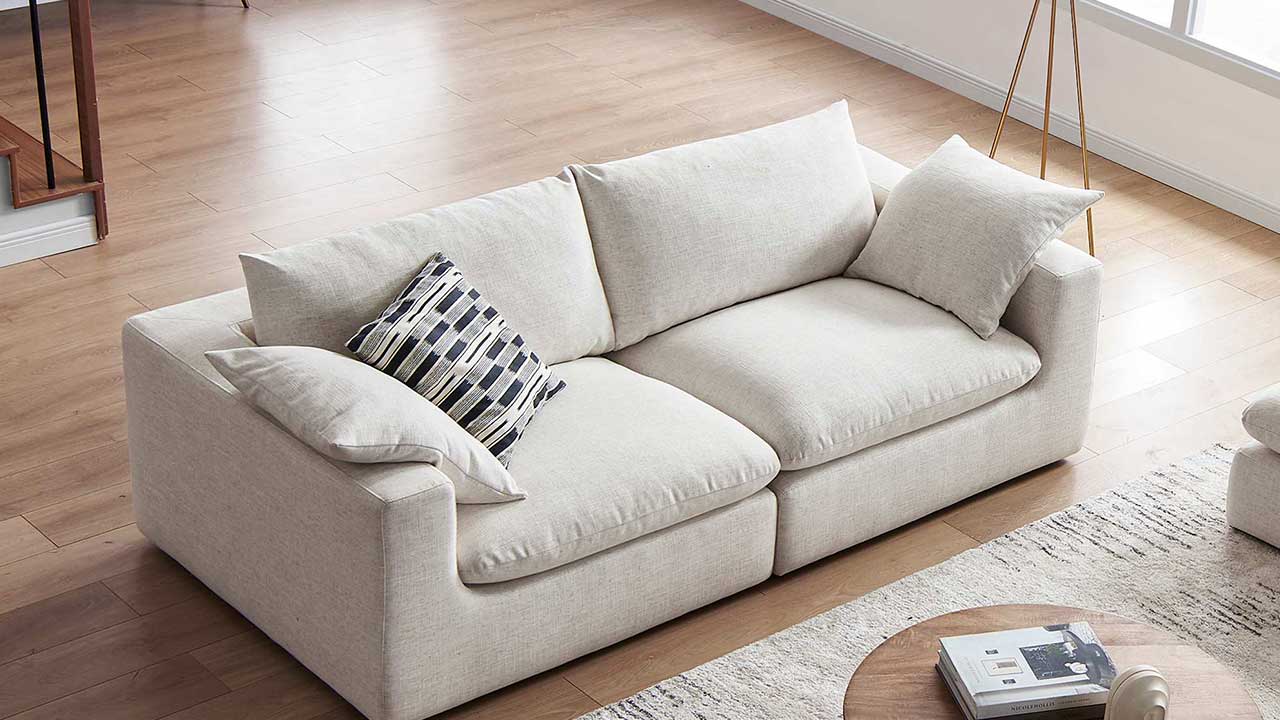
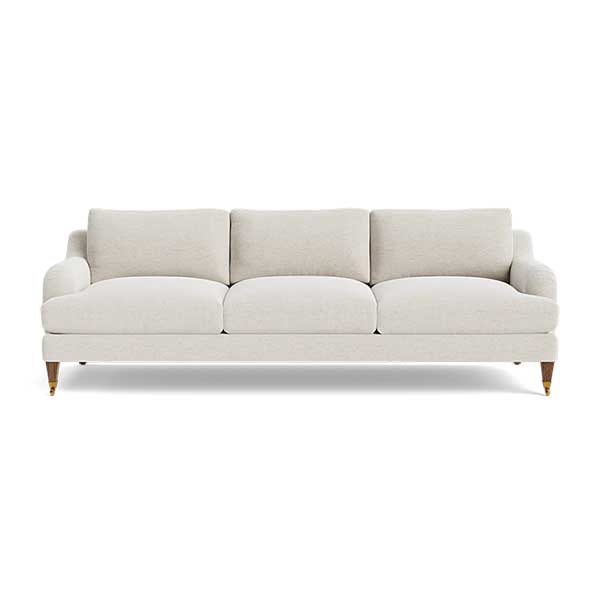
A sofa is the standard “main seating” piece in most living rooms, typically designed for three people (sometimes more, depending on style). A loveseat is smaller, typically designed for two. That smaller footprint can be a lifesaver in apartments, narrow living rooms, and multipurpose spaces, but it also changes how you lounge. If you like stretching out with your legs up, a full-size sofa usually feels less restrictive unless you’re petite or you prefer curled-up seating.
Comfort isn’t only about width. Seat depth and seat height often vary. Some loveseats are built as compact versions of a sofa with the same depth; others are shallower to keep the overall piece from feeling bulky. If you’re choosing between the two because of space, pay attention to depth as much as length.
Typical Dimensions (and Why They Can Mislead)
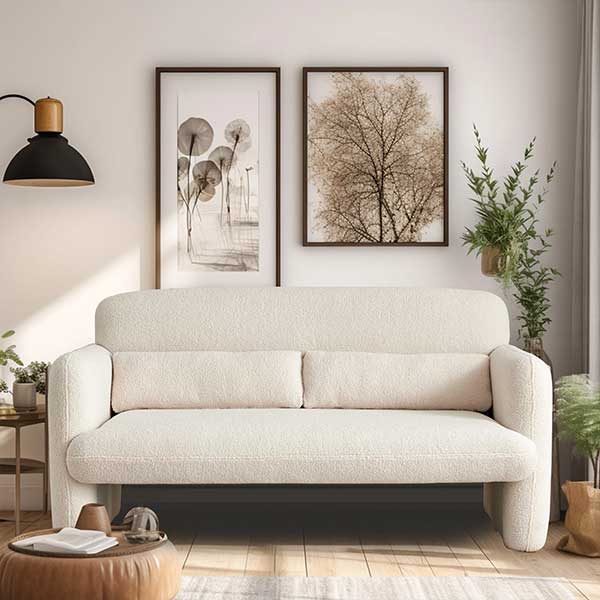
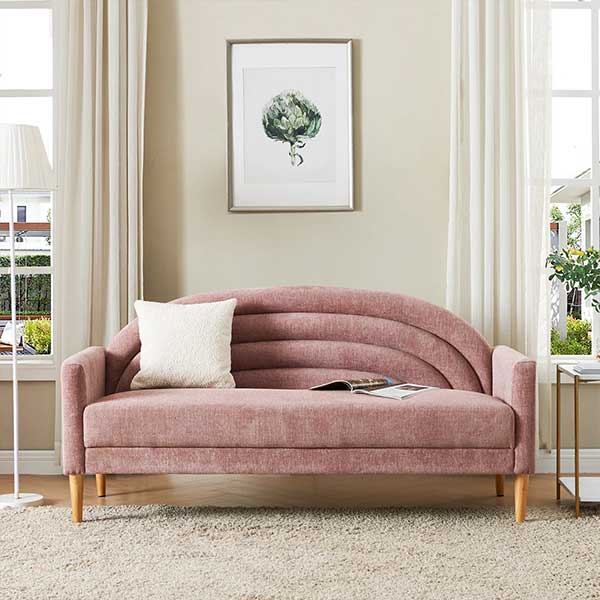
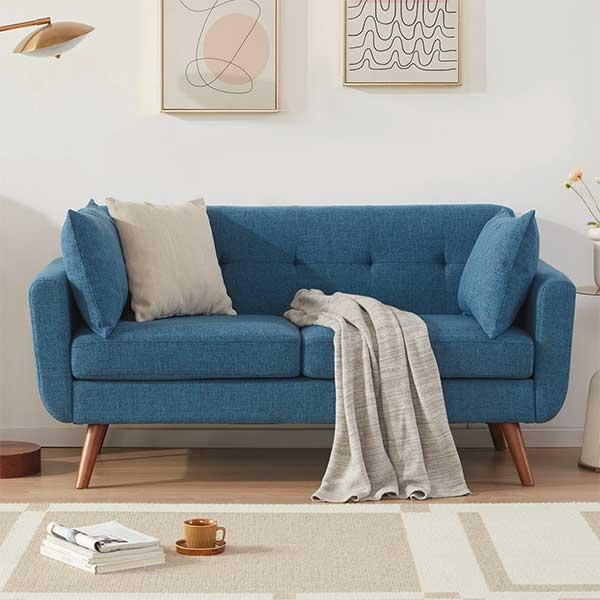
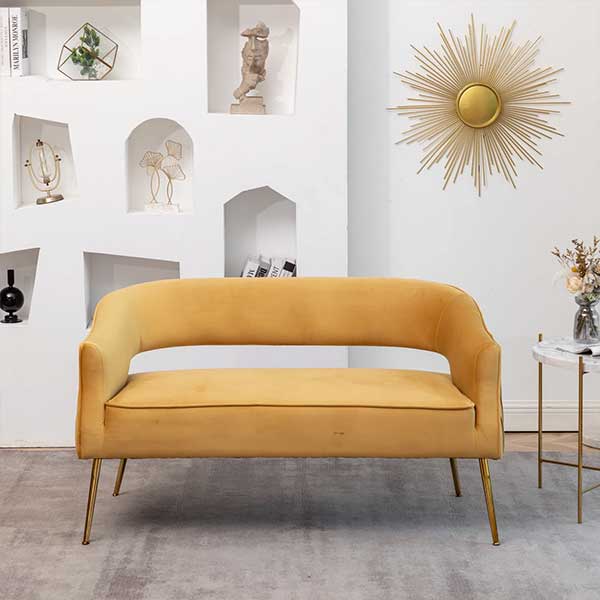
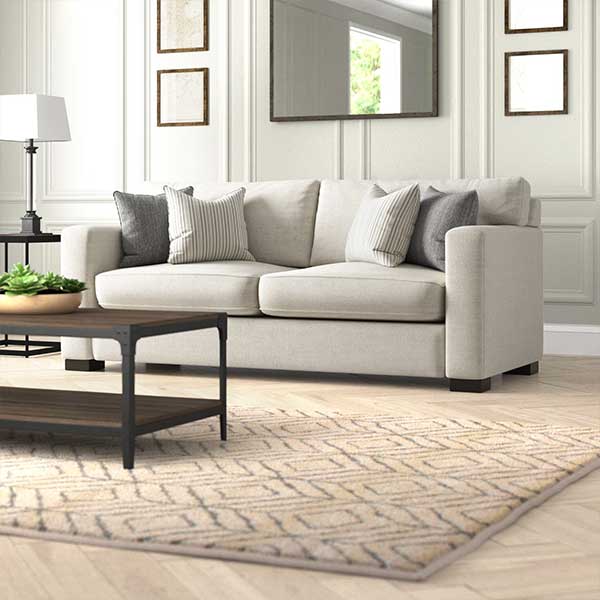
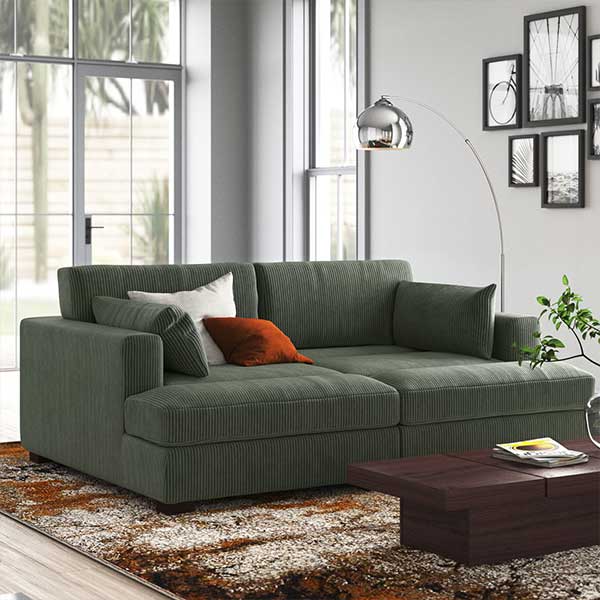
Most sofas land somewhere around 72–96 inches wide, while loveseats often sit around 48–72 inches wide. That sounds like a clean dividing line, but modern “apartment sofas” blur it. Plenty of smaller sofas are basically loveseat-sized with three seat cushions, and plenty of oversized loveseats feel like a mini sofa. The name on the product page matters less than the measurement from arm to arm, plus the depth from front edge to back.
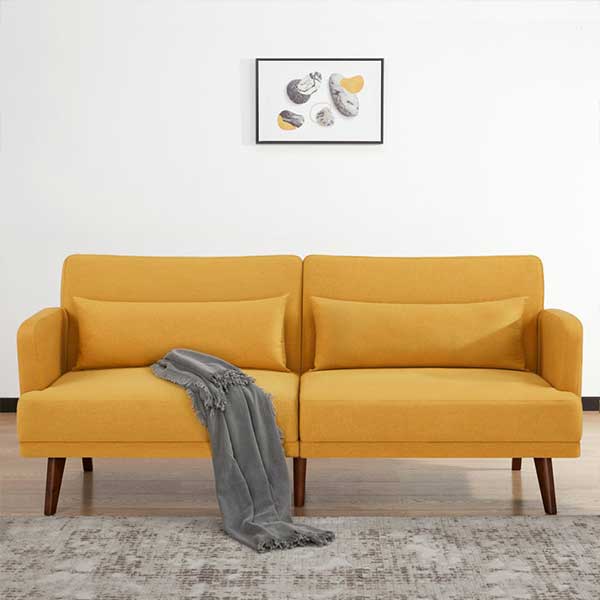
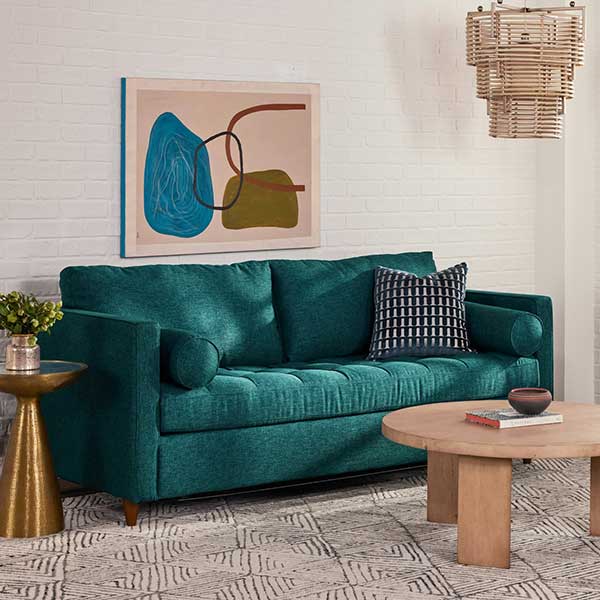
Also consider the visual weight. Two pieces can share the same width, but a sofa with slim track arms and exposed legs can look lighter than a boxy loveseat with thick arms and a tight skirt. In small rooms, what you see can feel as important as what you measure.
How Each Option Changes Your Room Layout
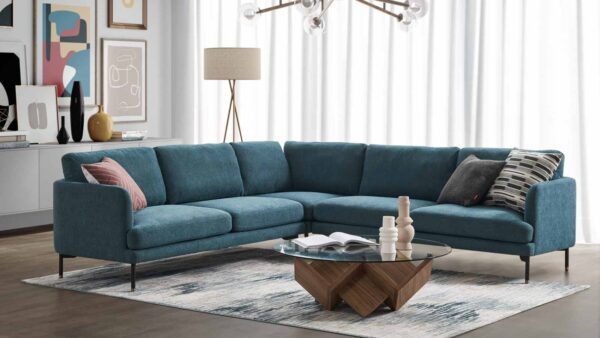
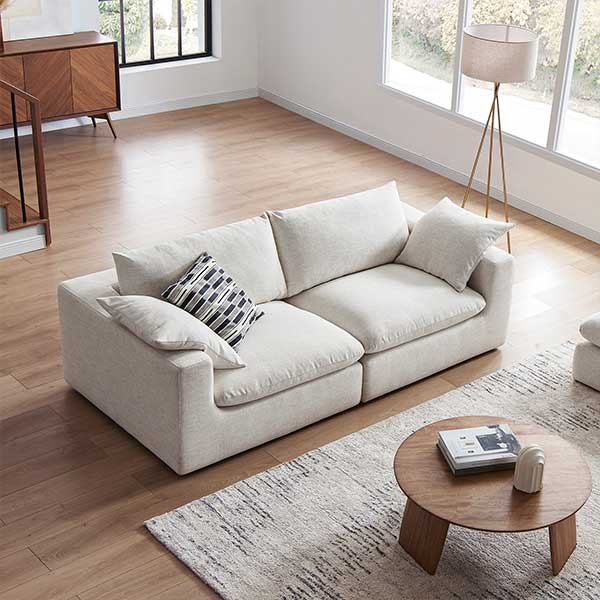
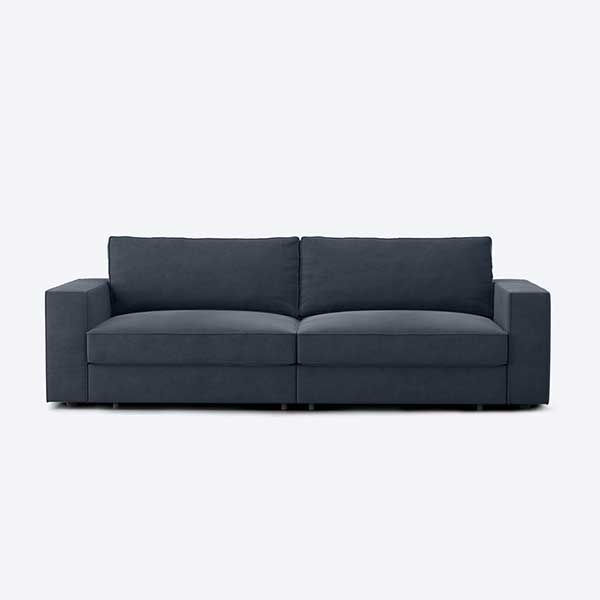
Choosing a sofa often means you’re committing to a “primary” wall and a single anchor piece that the rest of the room orbits around. That’s great when you want the room to feel settled and when you host often. It’s also helpful in open-plan spaces because a sofa can act as a soft divider between living and dining areas.
A loveseat tends to play better with flexibility. In compact spaces, it can open up floor area for a small dining table, a desk, or kid-friendly play space. In larger rooms, a loveseat can be a strong secondary piece: opposite a sofa for a conversation layout that doesn’t feel too formal, or floating near a window to create a reading zone.
If your room is long and narrow, a full-size sofa can sometimes force awkward traffic flow, especially if it sits across from a TV wall and pinches the walkway. A loveseat (or a smaller-scale sofa) can give back those inches so you’re not constantly sidestepping furniture.
Seating Needs: Everyday Life vs. Entertaining
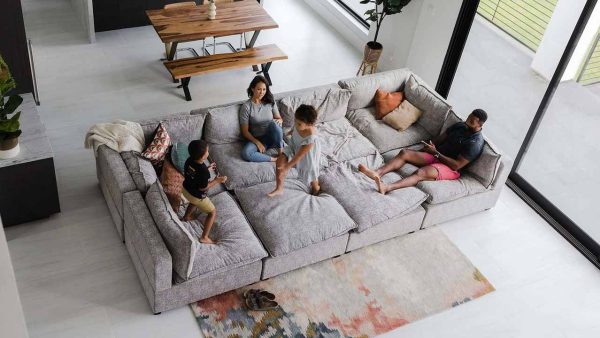
If you regularly seat three or more people at once (family movie nights, guests, roommates), a sofa usually makes life easier. It’s also the piece most people end up using as a nap spot, so if you want that option without pulling out a bed, a sofa wins on pure sprawl factor.
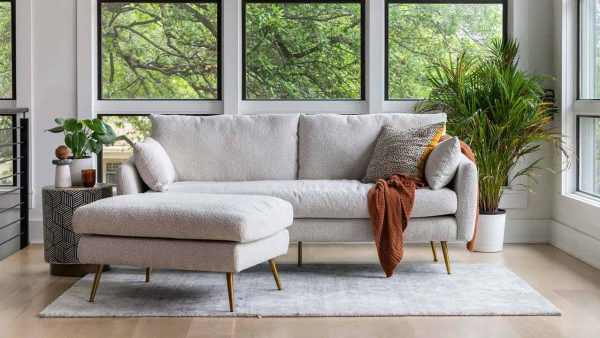
A loveseat works well for households of one or two, or for rooms where you’re not trying to seat everyone in one line. If you’re the type who prefers a chair-and-ottoman for lounging and only needs supplemental seating for a second person, a loveseat can be the right scale without crowding the room.
There’s also a reality check: “two people” on a loveseat is cozy, but not always comfortable for long stretches, especially with wide arms, firm cushions, or a high center seam. If you’re buying for two adults who sit together daily, test the seat width and cushion configuration carefully.
Price, Durability, and What You Get for the Money
All else equal, a loveseat often costs less than a sofa, but upholstery pricing isn’t perfectly proportional. A loveseat can be surprisingly close in price to a small sofa if they share the same construction and fabric grade. If your budget allows it and you’re torn, stepping up to a sofa can be a better value over time simply because it serves more situations.
Durability depends more on frame, suspension, and cushion fill than on whether it’s a sofa or a loveseat. Still, one practical consideration is cushion replacement and wear patterns. A sofa gets more varied sitting positions, so wear may distribute more evenly. A loveseat can show “favorite spot” sag sooner if one seat is always used by the same person in the same way.
Style Impact: What Looks Balanced in the Room
A sofa can ground a space quickly, but in small rooms it can dominate, especially if it has bulky arms or a tall back. If you want an airy look, choose designs with exposed legs, slimmer arms, and a back height that doesn’t block windows.
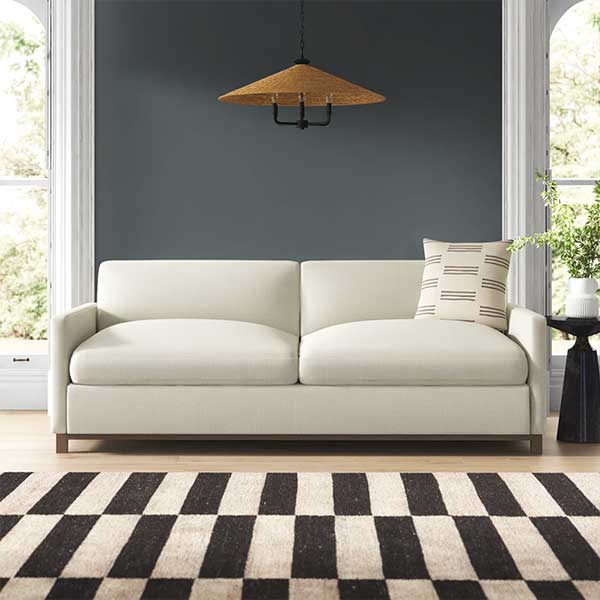
A loveseat can sometimes look too small in larger living rooms, which leaves the room feeling unfinished unless you intentionally build out the seating group with chairs, an ottoman, or a sectional-like arrangement. If you love a minimalist setup, a loveseat can be visually pleasing. Just make sure the rest of the room has enough “weight” (a substantial rug, properly sized coffee table, or larger-scale art) so it doesn’t feel like furniture floating in a big box.
Practical Details You Should Care About
Delivery paths matter. A full-size sofa can be harder to get through tight stairwells and narrow doorways, while loveseats are generally easier (though deep, overstuffed loveseats can still be tricky). Before you order, measure your door width, hallway turns, stair clearance, and elevator depth if you have one.
If you’re pairing pieces, look at seat height and arm height. A loveseat and sofa in the same room look intentional when their heights align, even if the silhouettes differ. If you’re mixing brands or collections, mismatched heights can make the room feel slightly “off,” especially in open concept spaces where you see everything at once.
Fabric choice matters, too. In a small space, textured neutrals or subtle patterns can add depth without visual clutter. In a larger space, a sofa in a statement fabric can carry the room; a loveseat can be a safer place to try a trend color if you’re cautious.
Making the Right Choice for Your Home
So, which one should you choose? Consider your available space, frequency of use, desired comfort level, style preferences, and budget.
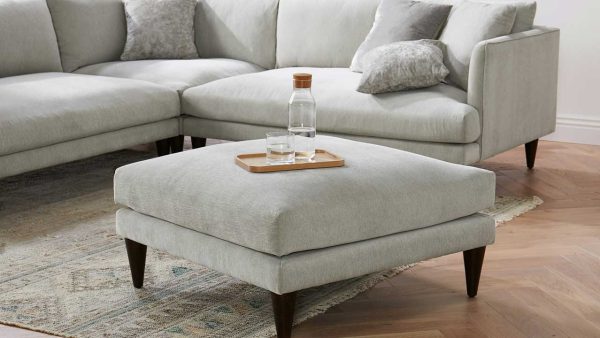
If your living room is your main gathering zone, you value lounging room, or you regularly seat three people at a time, a sofa is usually the simpler answer. If your space is tight, your household is smaller, or you want a flexible layout that leaves room for other functions, a loveseat can be the smarter fit, especially when paired with a great chair or an ottoman that can pull double duty.