How to Choose A Rug Pad
Rug pads don’t get much credit, but they can make a noticeable difference in how a space functions day to day. When a rug lies smoothly, stays in place, and feels comfortable underfoot, the whole space reads more polished and more livable. The right pad can help your rug wear better, sound quieter, and feel softer, all while giving your floors a little extra protection.
The catch is that rug pads aren’t one-size-fits-all. The best choice depends on your flooring, your rug, and how the room is used. If you’ve dealt with a runner that creeps forward, corners that curl, or a rug that ripples every time you vacuum, a pad is usually the simplest upgrade.
What Rug Pads Actually Do
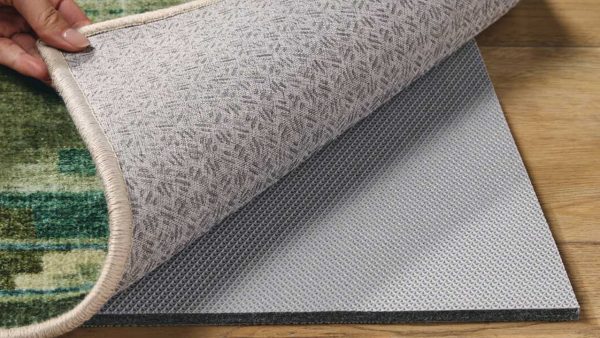
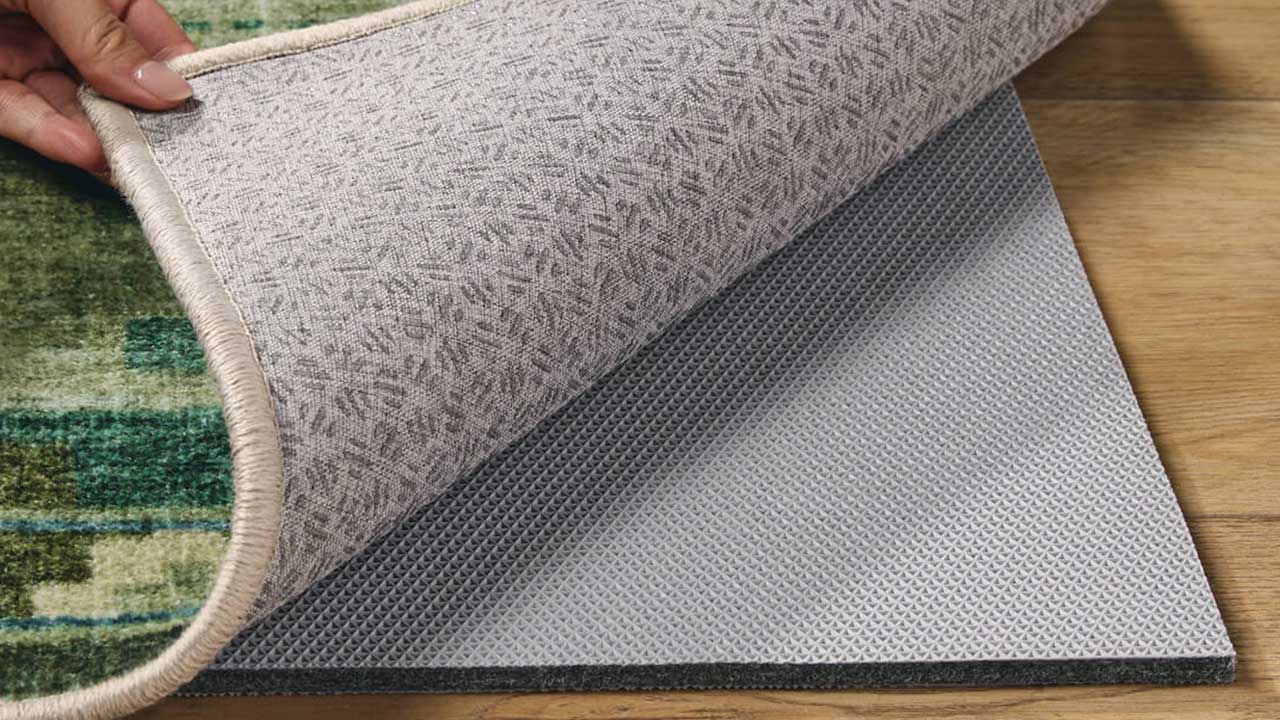
At its most basic, a rug pad adds grip so your rug doesn’t shift. That stability makes walking safer and helps the rug keep its shape, especially in high-traffic zones. Beyond that, a pad acts like a cushion and buffer: it absorbs impact, reduces fiber crushing, and can make a flat rug feel warmer and more inviting. It also cuts down on noise, something you’ll appreciate on hard floors.
There’s another benefit you don’t see right away: a pad helps keep everyday grit from grinding between the rug and the floor. That tiny layer of protection can make a difference over the years, both for your rug and your finish.
The Two Main Types: Grip vs. Cushion
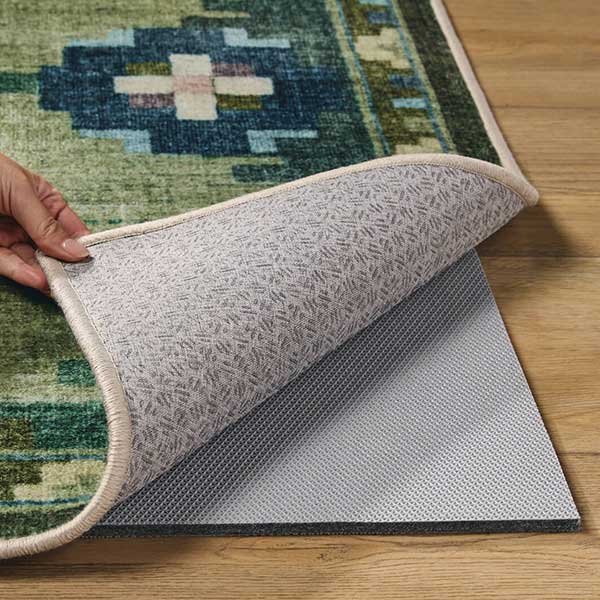
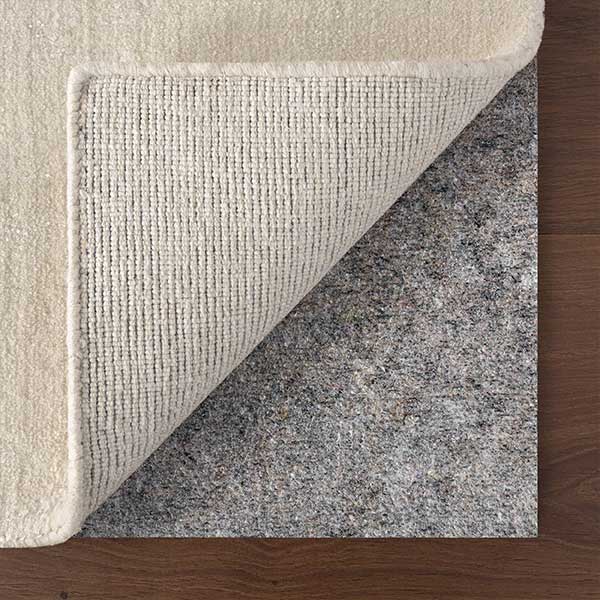
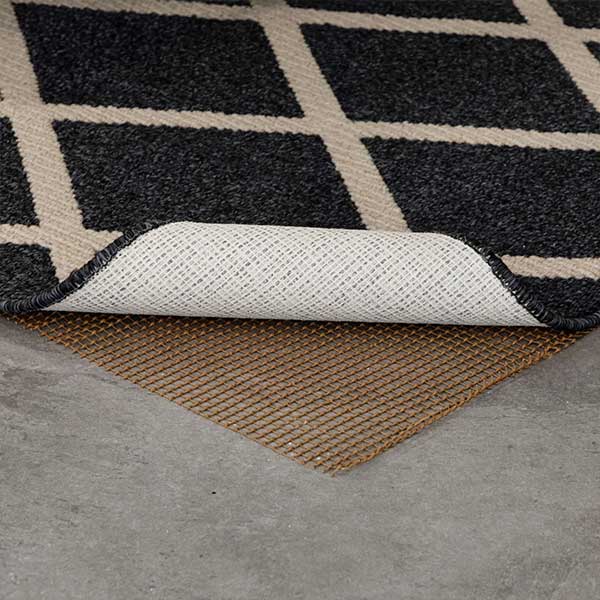
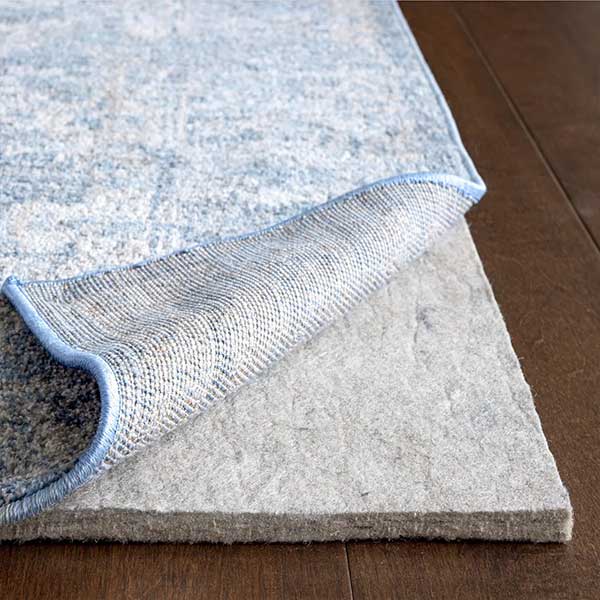
Rug pads generally fall into two categories. Thin “grip” pads are designed to keep rugs from moving and are common for low-clearance areas like doorways or for runners where you want the rug to sit close to the floor. Thicker “cushion” pads focus on comfort and support, helping rugs feel plusher and reducing wear by keeping fibers from being pressed directly into a hard surface.
Many of the best everyday options combine both functions: a firmer layer for structure and a grippy layer to prevent shifting. The key is matching the pad to the rug and the room rather than assuming thicker is always better.
How to Choose the Right Rug Pad for Your Floor Type
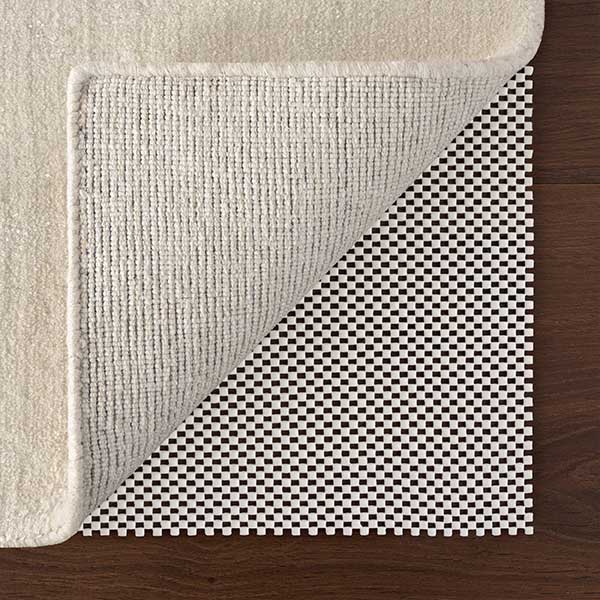
On hardwood floors, choose a pad that grips without sticking. Some rubber materials can react with certain finishes and may leave discoloration. If you’re not sure what finish you have, look for a pad labeled safe for sealed hardwood and avoid anything that feels overly tacky.
On tile, vinyl, laminate, or sealed concrete, a non-slip pad works well, but again, avoid pads that can bond to the surface. Vinyl floors, in particular, can be sensitive, so make sure to check the flooring manufacturer’s recommendations to avoid staining or imprinting.
On carpet, a standard non-slip pad won’t behave the same way. You’ll get better results with a pad designed specifically for placing a rug over carpet, which helps prevent rippling and shifting. Large, heavy rugs may stay put on their own, but a carpet-friendly pad can still help the edges lie flatter and improve the feel.
If your home has radiant heat flooring, opt for a pad specifically rated for that use. These are typically breathable and designed to allow heat to circulate without trapping it.
How Thick Should a Rug Pad Be?
Think of thickness as a design decision as much as a comfort one.
In living rooms and bedrooms, a medium-cushion rug pad tends to work best. It adds enough softness that you actually feel the difference when you walk, but it’s still firm enough to keep the rug lying flat and steady under everyday traffic.
In a dining room, thinner and firmer tends to work better. Chairs slide more easily, and the rug won’t feel spongy under table legs.
In hallways, kitchens, and entryways, keep it low profile so doors clear easily and edges don’t become a trip point. Runners usually do best with thin, high-grip pads.
Should the Rug Pad Be the Same Size as the Rug?
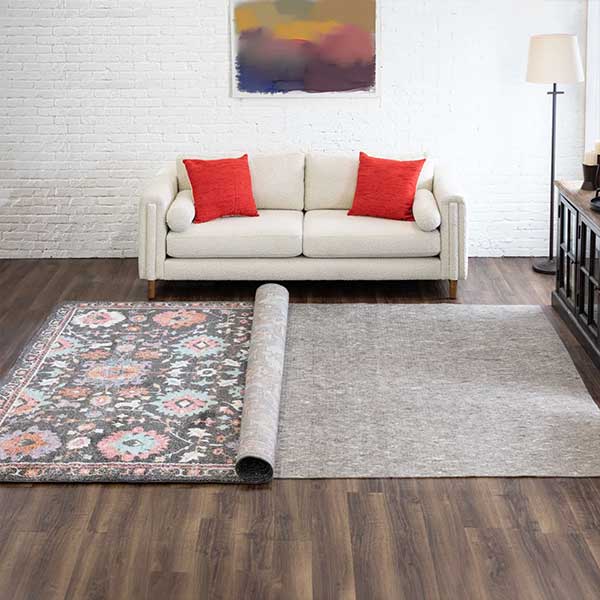
A rug pad should be slightly smaller than the rug so it stays hidden. If it extends past the edges, it can show, collect dust, and create a visible outline. If it’s too small, the rug’s edges may curl or wear unevenly because they aren’t supported.
For unusual rug sizes, trimming the pad to fit is standard practice, but clean, precise cuts are important to avoid unevenness that could show through thinner rugs.
Rug Pads for Different Rug Styles
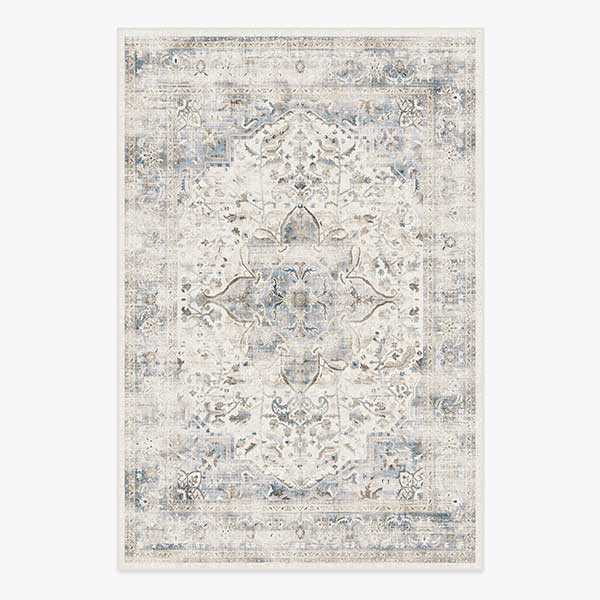
A flatweave or vintage-style printed rug often benefits from extra cushion because the rug itself is typically thin. If slipping is your main issue, a slimmer grip pad may be enough, but a bit of padding can make the whole setup feel more comfortable.
A thick shag or high-pile rug usually needs more stability than softness. A firmer pad can keep it from feeling overly bouncy and help it stay in place.
For natural fiber rugs like jute, sisal, or seagrass, a pad can make a noticeable difference in comfort and can help protect floors from the rougher texture. Natural fibers can be tougher on finishes, so a protective pad is especially helpful.
Common Concerns: Slipping, Corner Curl, Bunching, and Vacuuming
If a rug still slips with a pad, the issue is often the pairing: the pad may be too thin for the rug, not grippy enough for the floor, or simply dusty underneath. Lifting the rug, vacuuming the floor and pad, and resetting everything can restore traction.
Corner curl is usually a mix of rug memory (from folding) and lack of support at the edge. A pad that reaches close to the perimeter helps, and many rugs relax over time once they’ve been laid flat.
Bunching tends to happen when a lighter rug sits on a very cushy pad. In that case, a thinner, grippier pad often solves the problem by keeping the rug taut.
Vacuuming should be smoother with a good pad because the rug stays put. If your vacuum is tugging the rug, try adjusting suction or choosing a pad that adds stability instead of extra plushness.
When You Can Skip a Rug Pad
If you have a very large, heavy rug that doesn’t move and already feels comfortable, you might not need one. The same can be true for rugs anchored by substantial furniture on all sides. That said, many people still use a thin pad on hard floors simply to reduce abrasion and keep grit from settling underneath, especially in high-traffic rooms.
The Takeaway
A rug pad is a small detail that can have a big effect on how a room feels. Choose one based on your floor type, your rug’s construction, and how you use the space, and you’ll get a rug that looks smoother, feels better underfoot, and stays put.