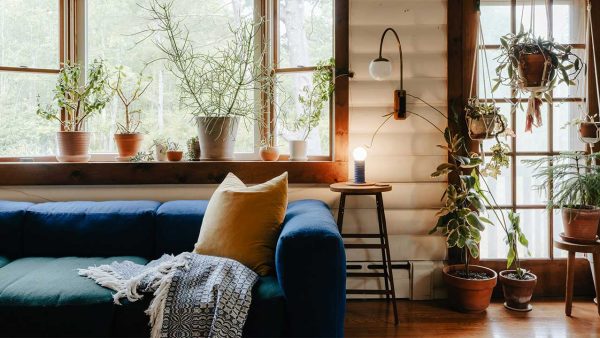
Easy Upgrades for a Warmer, Softer Space
A cozy living room has less to do with square footage and more to do with how the space is used. The most inviting rooms feel warm and easy to settle into, without looking cluttered or over-styled. If your living room feels a little flat, echo-y, or “done but not lived in,” a few smart adjustments can change the mood quickly.
The good news is that coziness comes from layers, not a full redesign. Texture, lighting, and a couple of comfort-first choices will do more than new paint or a big furniture swap. Here’s how to get there in a way that still looks polished.
Add Cozy Layers to Your Seating Area
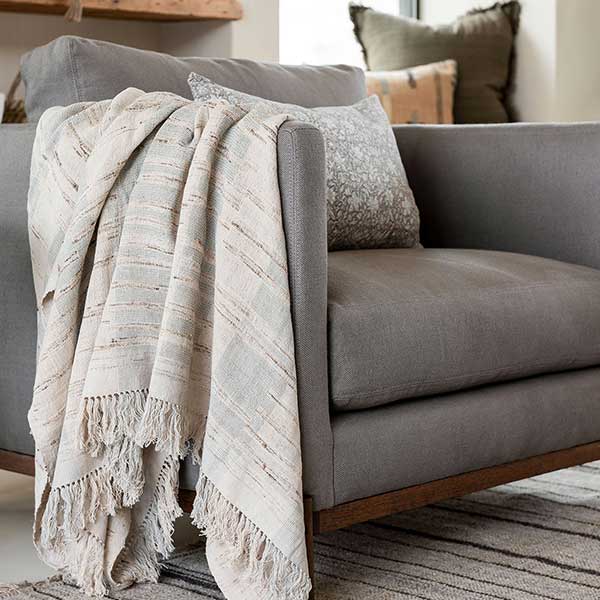
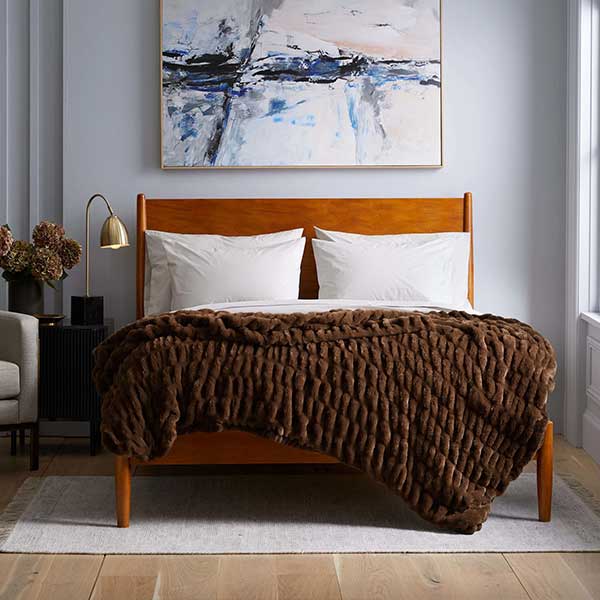
The fastest way to make a living room feel welcoming is to add softness to the spots where you actually sit and lounge. A throw blanket is the simplest upgrade, but the key is choosing one that feels good. Chunky knits look beautiful tossed over an arm, but if you tend to run warm, a brushed cotton or washed linen throw often feels better for everyday use. If your sofa is leather or a tightly woven fabric that feels cool, a plush throw softens that slick feeling right away and makes the seating area feel more inviting.
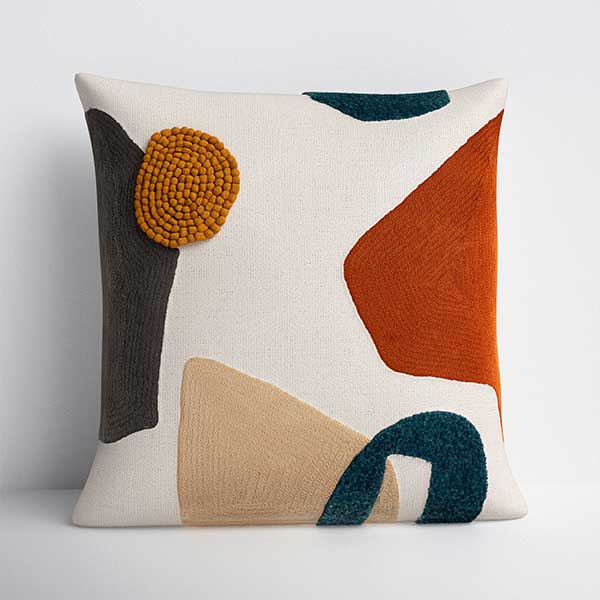
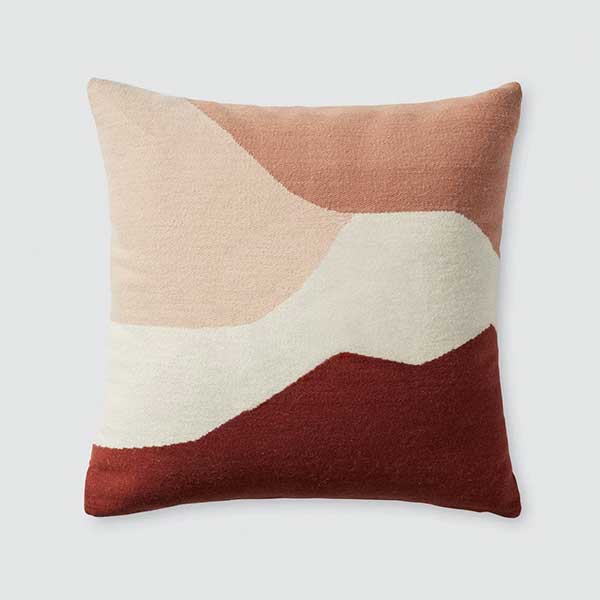
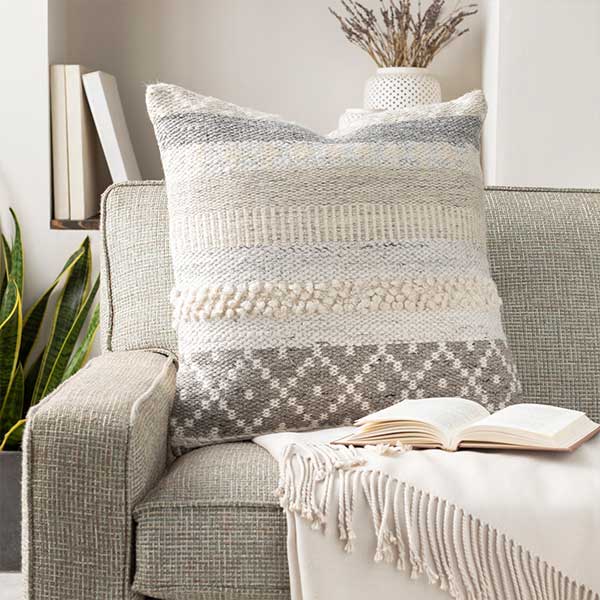
Pillows do the same job, but they work best when they vary slightly in size and texture. Even in a neutral room, mixing materials (bouclé with linen, velvet with a matte woven) adds depth without making the room feel busy. If your sofa is deep, slightly larger pillows feel more proportional and supportive. If it’s compact, a couple of medium pillows and one lumbar can add comfort without taking up the whole seat.
A small detail that makes a surprisingly big difference is where you place these pieces. A folded throw at the corner of the sofa or in a basket near the coffee table reads intentional and makes it easy to grab when you actually want it.


Let a Rug Do the Heavy Lifting
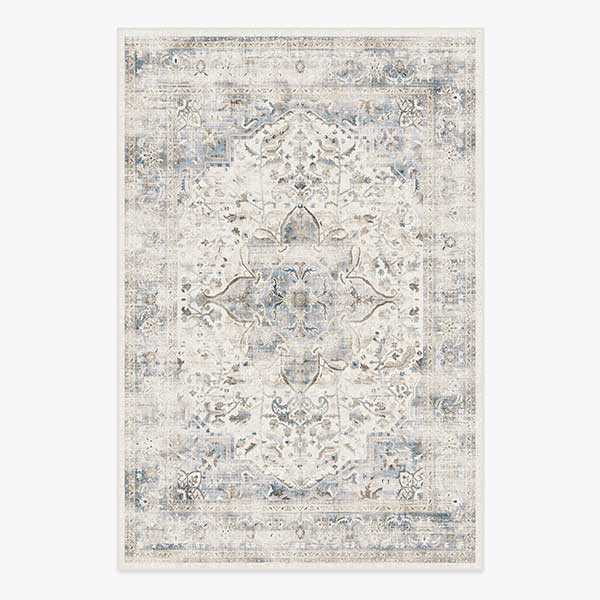
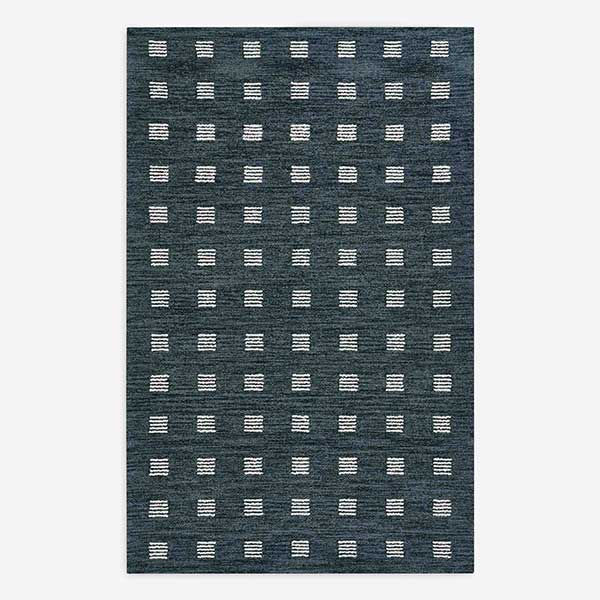
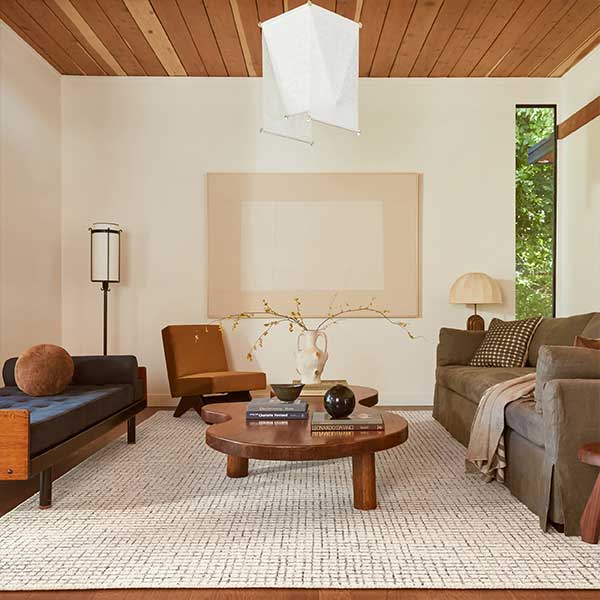
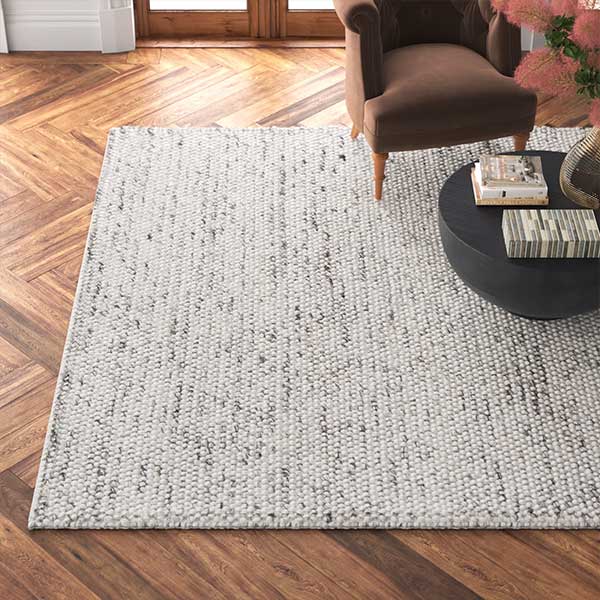
A rug grounds the seating area, quiets sound, and adds instant warmth, especially in rooms with hardwood, tile, or laminate. Look for something with a bit of texture or pile if you want that cozy factor: a wool rug, a wool blend, or a low-pile rug with a subtle pattern can be both comfortable and practical.
The size of the rug is also important. A rug too small can make a room feel disconnected. A larger rug that allows at least the front legs of the sofa and chairs to sit on helps unify the space, creating a calmer and cozier feel. If you already have a rug you like but it’s thin, adding a rug pad can make it feel more plush and help it stay in place.
Color and pattern help, too. If your furniture is solid and minimal, a rug with gentle variation (tonal stripes, a vintage-inspired motif, or a flecked weave) adds warmth without looking busy. If your sofa already has a strong pattern, a quieter, textured rug balances things out.
Swap Bright Lighting for Soft Lighting
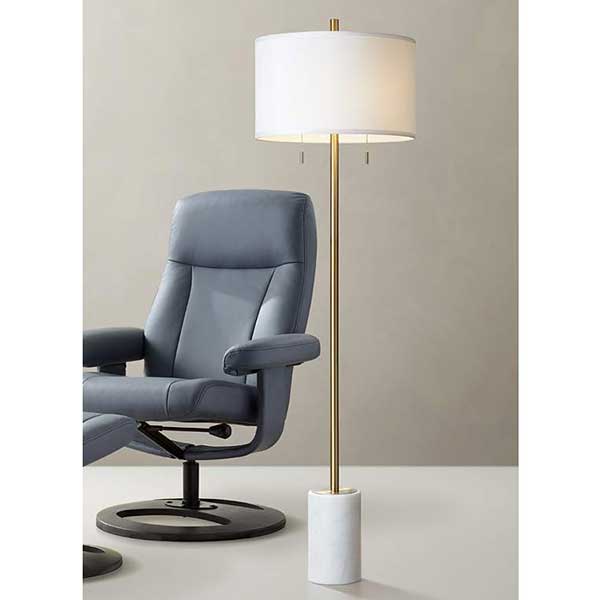
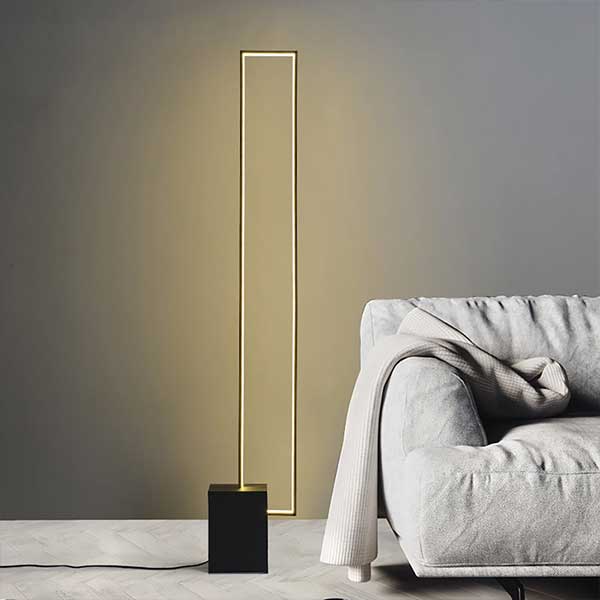
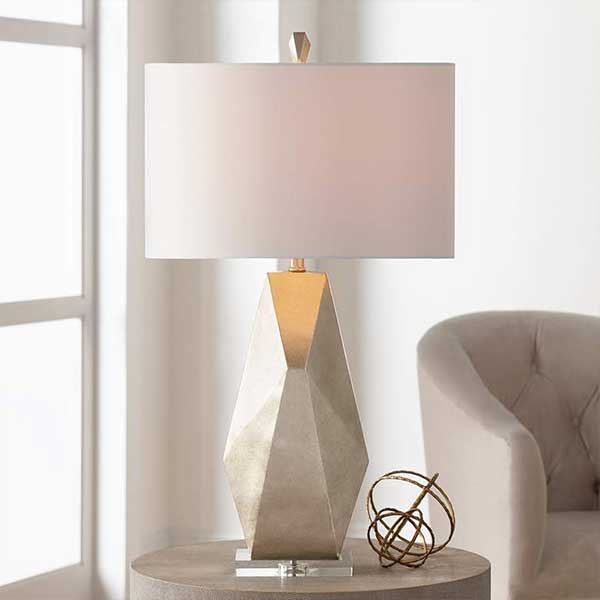
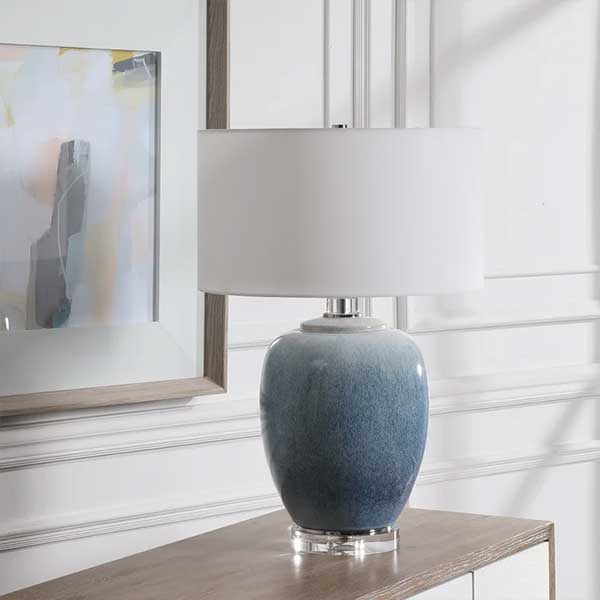
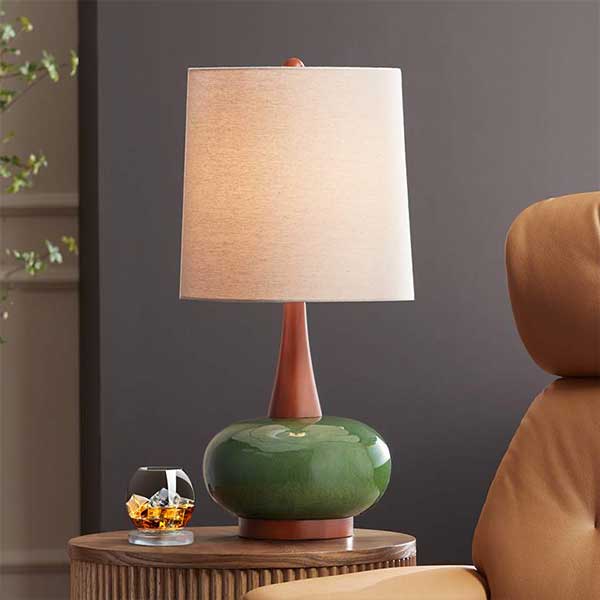
Overhead lighting is useful, but it’s rarely cozy. The quickest fix is to rely more on multiple smaller light sources that create a gentle glow. A floor lamp near the sofa, a table lamp on a side table, and a small accent light on a shelf will make the room feel layered and relaxed.
Warm bulbs make a huge difference. If your living room feels stark at night, check the bulb temperature; a warm white (rather than cool daylight) instantly softens everything from wall color to skin tone. Dimmers are ideal, but you can get a similar effect with smart bulbs or a couple of lamps on plug-in dimmers.
Shades matter, too. A fabric or paper shade diffuses light in a way that feels calmer than a clear glass bulb. If you love the look of an exposed bulb, choose one designed for warm ambient lighting and pair it with additional lamps so the space doesn’t feel harsh.
Candles can add that flicker that makes a room feel lived-in, but you can get a similar feel with a battery-operated candle or a small accent lamp if open flames aren’t practical. The goal is gentle, low-level light that makes you want to linger.


Build a “Gathering Zone” That’s Easy to Use
Even the most beautifully decorated living rooms can feel uninviting if the layout doesn’t encourage you to relax. Try to create a clear conversation-and-lounging zone where seating faces in and feels close enough to talk comfortably. If chairs are pushed back to the walls, the room can feel like a waiting area rather than a place to relax.
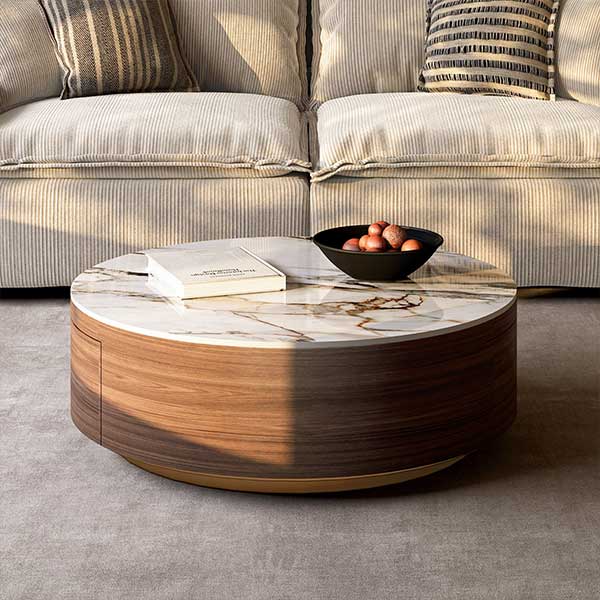
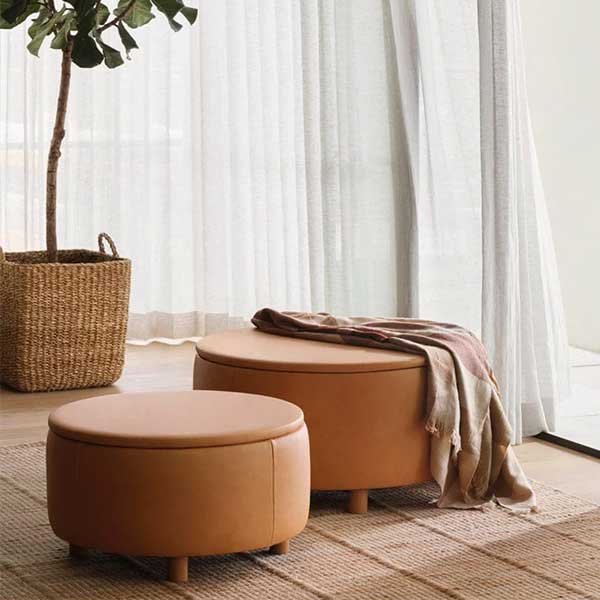
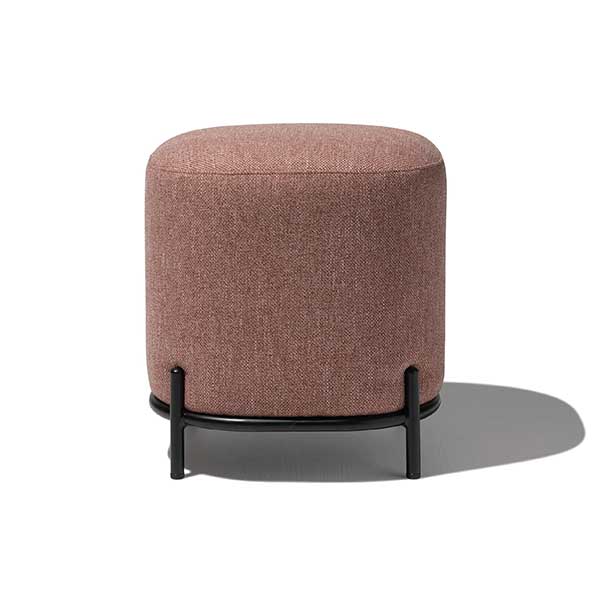
A coffee table or ottoman within easy reach helps, because coziness is also convenience. When you don’t have a place to set a mug, a book, or a remote, the room feels less settled. If a hard-edged coffee table makes the space feel rigid, consider a softer alternative like an upholstered ottoman or a rounded table shape to reduce visual sharpness.
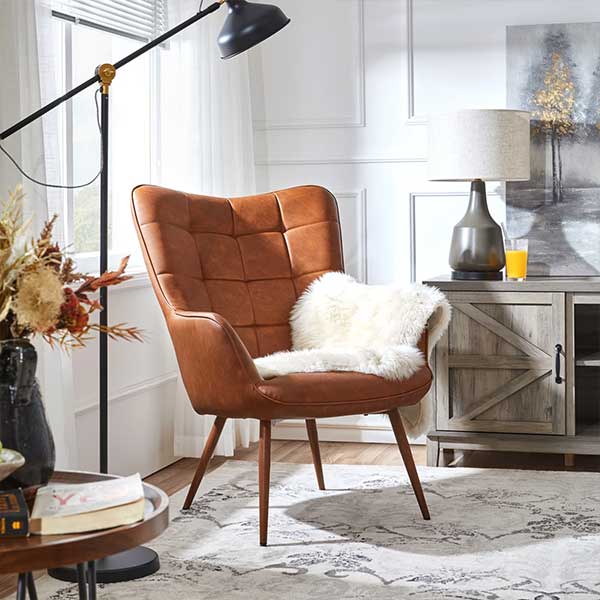
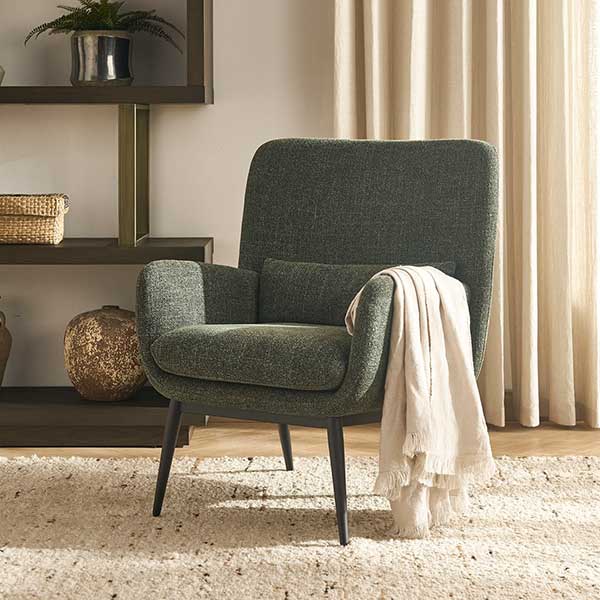
If your seating is limited, adding a small accent chair can make the room feel more complete. A chair with a soft fabric, a curved silhouette, or a pillow-back design reads instantly inviting.

Use Curtains to Add Warmth
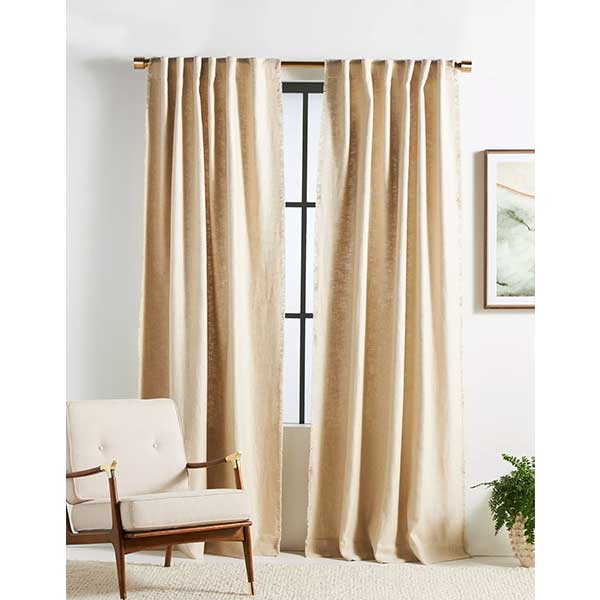
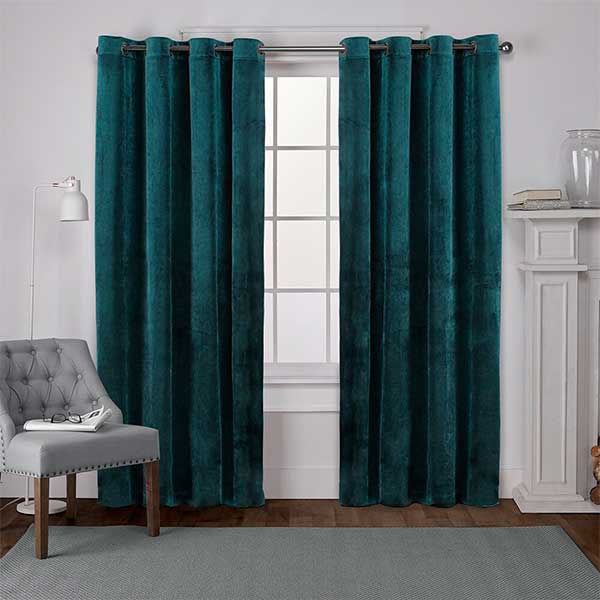
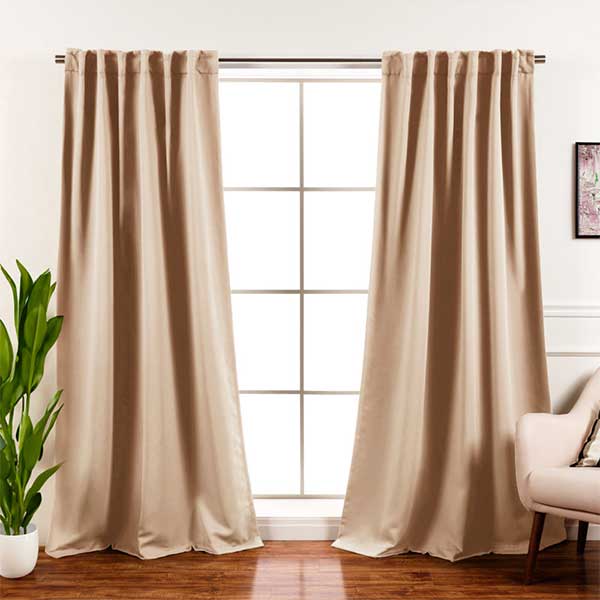
Windows can make a room feel airy, but they can create a sense of coldness, both visually and acoustically. Curtains add softness, reduce glare, and help the whole room feel quieter. Even if you prefer a minimal look, a simple woven panel in a warm neutral can make a big difference.
If privacy is a concern, layering sheers with heavier curtains lets you adjust the mood throughout the day. Hanging curtains a bit higher and wider than the window can also make the room feel more finished and intentional, which contributes to that cozy “put together” vibe.

Add Texture With a Few Well-Chosen Materials
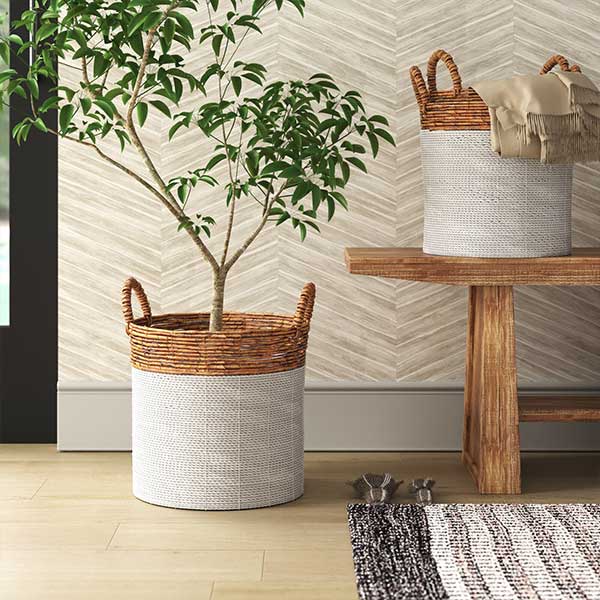
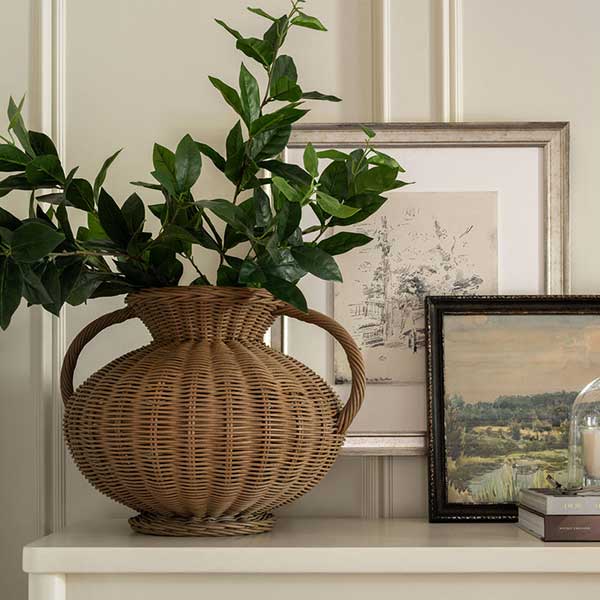
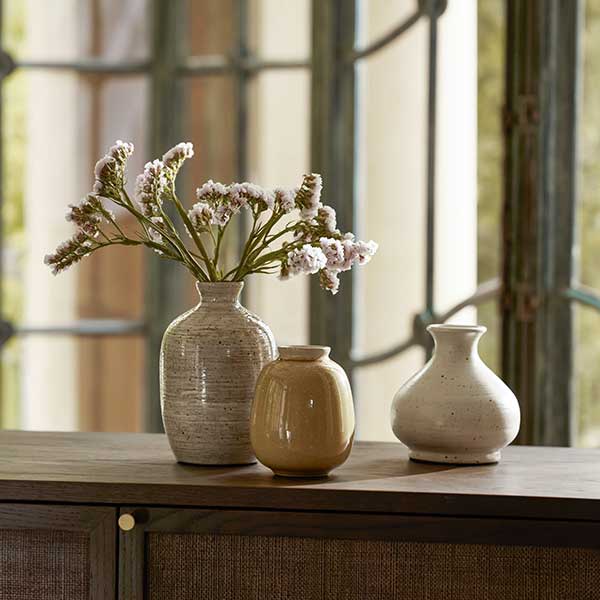
Coziness often comes down to texture. If everything in the room is smooth (sleek sofa upholstery, glossy tables, flat paint), the space can feel a little sterile. Adding a few tactile elements helps: a woven basket, a ceramic lamp base, a boucle pillow, a knit throw, a matte-finish vase, or a wood accent with visible grain. These pieces bring visual warmth even if you keep the color palette simple.
If you love a cleaner look, keep the palette consistent and vary the textures. If you want more depth, bring in a couple of warmer tones, such as camel, rust, olive, or deep navy, through pillows, art, or a throw. Warmth doesn’t have to mean beige; it just needs to feel balanced and not overly stark.




Make It Feel Personal, Not Cluttered
A cozy room usually includes something that feels specific to you: books you actually read, framed photos you like looking at, a piece of art that has color you want to live with. The trick is to keep these items grouped rather than scattered. A small stack of books and a candle on a tray looks intentional; a handful of little objects spread across every surface can feel messy, undermining the calm atmosphere you want to achieve.
If you’re styling shelves or a mantel, leave a bit of breathing room. Coziness is comfort, but it still benefits from visual calm.
Don’t Forget the Comfort Details That You Use Every Day
Sometimes the most cozy upgrade is practical. A side table at the right height, a soft lamp switch you don’t have to hunt for, a basket where throws don’t slip to the floor, or a tray that corrals remotes can make the room feel easier to live in. When a space functions smoothly, you relax faster in it.
If you want your living room to feel cozy quickly, focus on the pieces that change how the room feels at night: a rug that anchors the seating, pillows and a throw that invite you in, and lighting that’s warm and layered. Once those are in place, everything else (art, accessories, even the layout) starts to feel more comfortable and intentional.